Expert Advice on Smart Home Integration for New Homeowners
Understanding Smart Home Integration
As new homeowners, the idea of transforming your residence into a smart home can be exciting yet overwhelming. Smart home integration involves connecting various devices and systems to enhance convenience, security, and energy efficiency. With a well-planned setup, you can control lighting, heating, security, and entertainment systems from your smartphone or voice-activated assistant.
To begin, it's essential to understand the core components of a smart home. These include smart hubs, connected devices, and an intuitive app interface. By integrating these elements, you can create a seamless and efficient living environment.
Choosing the Right Smart Devices
When selecting smart devices, consider your specific needs and lifestyle. Start with essential items such as smart thermostats, lighting, and security cameras. These devices not only provide convenience but also help in reducing energy consumption and enhancing home security.
It's also crucial to invest in devices that are compatible with one another. Look for products that support common platforms such as Amazon Alexa, Google Assistant, or Apple HomeKit. This ensures that all your devices can communicate effectively, providing a smooth user experience.

Creating a Centralized Control System
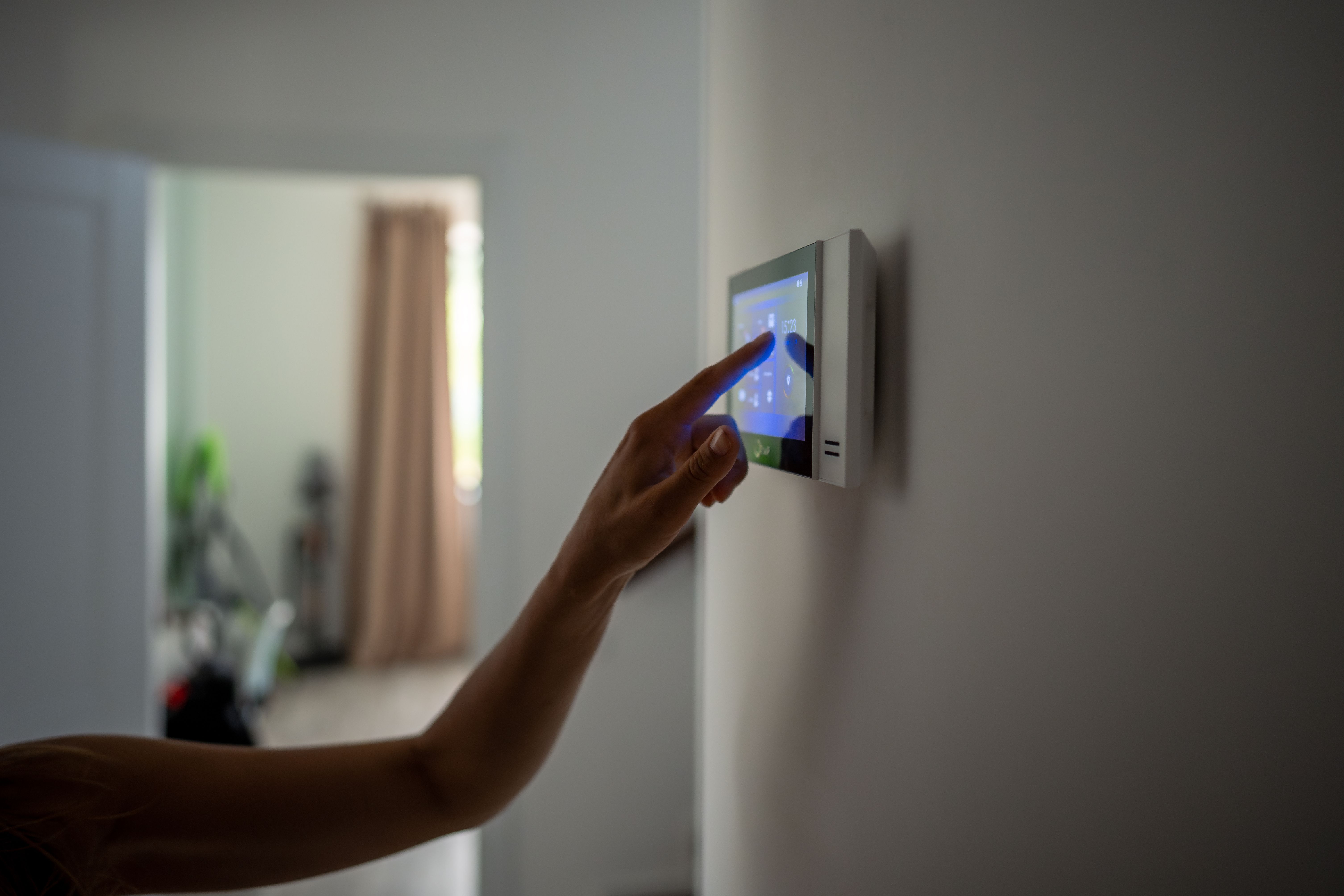
A centralized control system is the backbone of any smart home. It allows you to manage all your devices from a single interface, typically via a smartphone app. This system can be customized to fit your preferences, enabling you to set schedules, automate routines, and receive alerts.
Consider investing in a smart hub, which serves as the command center for your devices. Popular options include the Amazon Echo, Google Nest Hub, or Samsung SmartThings. These hubs integrate various devices and offer voice control for added convenience.
Ensuring Security and Privacy
While smart homes offer numerous benefits, they also come with security and privacy concerns. Protecting your network and devices from potential threats is paramount. Start by securing your Wi-Fi network with a strong password and enabling encryption.
Additionally, regularly update your devices to ensure they have the latest security patches. Consider using two-factor authentication for added protection. Be mindful of the data you share with smart devices and review privacy settings regularly to safeguard your information.

Future-Proofing Your Smart Home
Technology evolves rapidly, and it's crucial to future-proof your smart home to accommodate new advancements. Choose devices that support over-the-air updates and keep abreast of emerging trends in smart technology.
Moreover, consider scalability when designing your smart home. Ensure your network can handle additional devices and that your smart hub can integrate new technologies. This approach will make it easier to upgrade and expand your system as needed.
Conclusion
Integrating smart technology into your home can significantly enhance your living experience. By choosing compatible devices, creating a centralized control system, and prioritizing security, you can enjoy the convenience and efficiency of a smart home.
Remember, the key to a successful smart home integration lies in thoughtful planning and continuous learning. Stay informed about the latest trends and updates to make the most of your smart home investment.